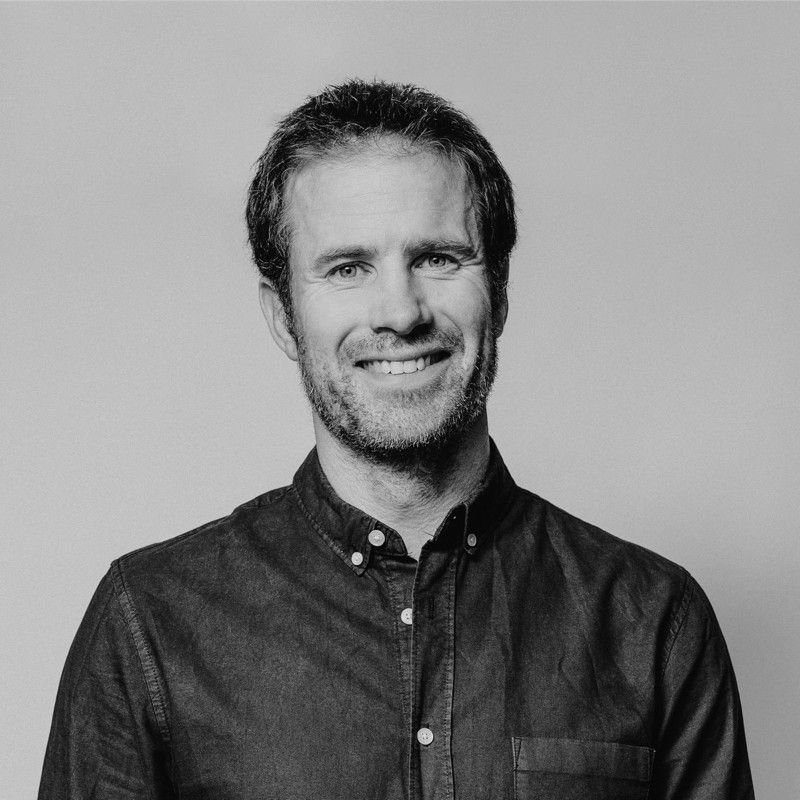
Most brands would rather be safe than interesting — and it’s costing them $189 billion a year in the US alone. Miriam Wells argues that “neutral” is the most expensive place a brand can sit, and that boldness matters even more in heavily regulated categories like B2B and healthcare. She explains why constraints sharpen creativity rather than kill it, and how AI is accelerating a “proliferation of the middle” that only the boldest brands can escape.
Three things to take away
01
“Creativity doesn’t come from brain introversion and isolation. It comes from bouncing around. It comes from play. It comes from jokes. It comes from culture.”
02
“Neutral is death. Default is death in creative and brand.”
03
“We forget sometimes that humans aren’t just brains with access to screens. They’re bodies with irrational emotions.”
Most strategy decks are dead fish — impressive-looking, expensive to produce, and impossible to act on. Shruti Rai argues that strategy fails not because the thinking is wrong but because it arrives as a finished product rather than a living prototype. She explains how the best strategists build momentum by making ideas testable, getting stakeholders invested early, and treating execution as part of the strategic process.
Three things to take away
01
“Good strategy should be something everybody can see themselves in, and see how they’re going to play a role in bringing it to life.”
02
“As people are asking what AI does to design, I’m asking what AI does to strategy.”
03
“When you’re thinking about buying strategy, you’re not buying a document — you’re buying a way of bringing a solution to life.”
AI is not just changing what customers see — it is collapsing the old layers of policy, operations and channels into one dynamic system. Jess Leefe explains why the fundamentals of strategic design still hold in the age of AI: lead with the human and their problem rather than the technology, create an authorising environment where small, empowered teams can experiment, and build lasting capability in-house as you go.
Three things to take away
01
“We have a philosophy that you can pretty much change the world with a team of six. If you’ve got the right people, the authorizing environment, strong leadership, and a clear vision, and you’re set on focusing on the outcome, it’s a good start.”
02
“Increasingly what we see is: support us, augment our teams, help uplift our capability. We talk about applied capability — doing the work while upskilling people in the organisation with the mindset, the tools, and the doing.”
03
“The complexity is changing, the layers are conflating and becoming one — and perhaps the expectation customers have is: how do we support and help people in decision-making, with policy, operations and experience all operating as a more dynamic system?”
Customer loyalty is a commercial growth system — not just a points program. David Parsons unpacks how brands like CBA and Flight Centre Travel Group are building connected customer ecosystems that put a moat around their customers, why rigorous loyalty attribution matters, and how loyalty science and marketing science are converging on the same answer: done well, loyalty helps you win preference at every category entry point.
Three things to take away
01
“Brands with higher levels of loyalty outperform their competitors when it comes to acquiring customers, retaining them and maximizing the share of their spend.”
02
“I think that’s what modern loyalty looks like. It’s about ecosystems — creating an ecosystem where you’re connecting all of the things that matter when it comes to the customer relationship and you’re putting a moat around your customers.”
03
“If you can’t articulate the value that it’s generating, if you can’t connect it back to a shift in behaviour or a revenue or margin outcome, then you really need to question, is that a good investment?”
Tanguy Fournier Le Ray with host Robin Scarborough
Co-Founder & APAC CEO · PALO IT
Deploying AI tools alone delivers close to zero productivity benefit — the real gains come from rebuilding your delivery model to be AI-first. Tanguy shares PALO IT’s own transformation (their engineers no longer write code), the Singapore Airlines pilot that shipped in five weeks instead of eleven, and why agent orchestration is the next wave — teams that don’t sleep, working in parallel.
Three things to take away
01
“The biggest misconception, if I look at the enterprise space, is that it is all about the tool and only about the tool.”
02
“The more you invest into AI, the better ROI you’re going to get. There’s no in between, in a way.”
03
“When you get it right, you’re talking about multiples of productivity benefits — anywhere from five to ten times faster — which even three to six months ago was impossible for us to think.”
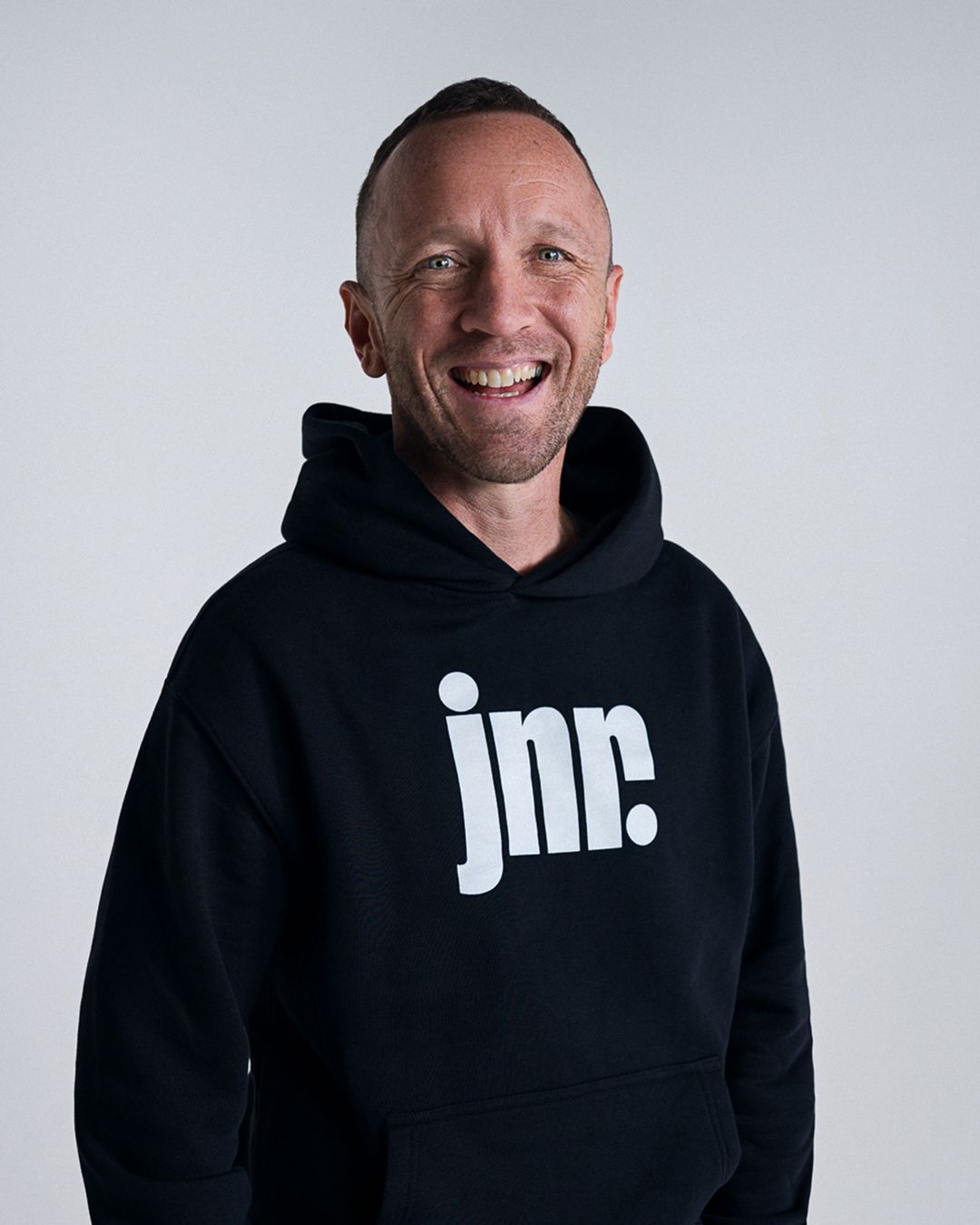
If you brief an ad campaign, you’ll get an ad campaign back — and that may not be the solution to the problem. Ryan O’Connell makes the case for briefing agencies on the business problem instead: how indies free of production-margin incentives can be honest about the right answer (sometimes it’s a product name change, not a campaign), and why CMOs should treat their creative agency as a genuine business partner.
Three things to take away
01
“If you don’t have the right articulation of the problem, the chances of the solution being right decrease quite dramatically.”
02
“If you brief an ad campaign and expect an ad campaign back, that’s what you’re going to get. Now, that may not be the solution to the problem.”
03
“We’re not beholden to coming up with a solution that’s going to require large-margin production — because that’s not how we make money, and it’s not how we’re inspired.”
A guided tour of the AI insights landscape — synthetic data, synthetic panels, digital twins and synthetic personas — and where Verve’s award-winning VIPS sit within it. Rikki Pearce explains how VIPS are built for decisions of consequence with 95% predictive confidence, continually fuelled by real human research, and how to make the internal case to your CMO, CFO and CTO.
Three things to take away
01
A lot of decisions get made without human insight — or you’re trying to scale your head of insights across a whole business. It’s really hard to scale a person.
02
The primary research you do — the real human truth — continues to fuel the simulation. It’s a living organism, and it’s scalable across the business.
03
What value can we create by generating insight where it never existed before? The cost is comparable to in-person focus groups — and often cheaper.